Exitseries.com – Searching for a bonsai lemon tree for sale is both exciting and challenging. These tiny citrus masterpieces blend natural beauty with fragrant blossoms and even miniature fruit. But before buying, it’s important to understand what to expect, how to select a healthy tree, and how to maintain it after purchase.
This guide will help you find the best bonsai lemon tree for sale, avoid common pitfalls, and ensure your purchase becomes a lasting, fruitful investment.
What Is a Bonsai Lemon Tree?
Before exploring available options, it’s crucial to understand what a bonsai lemon tree really is.
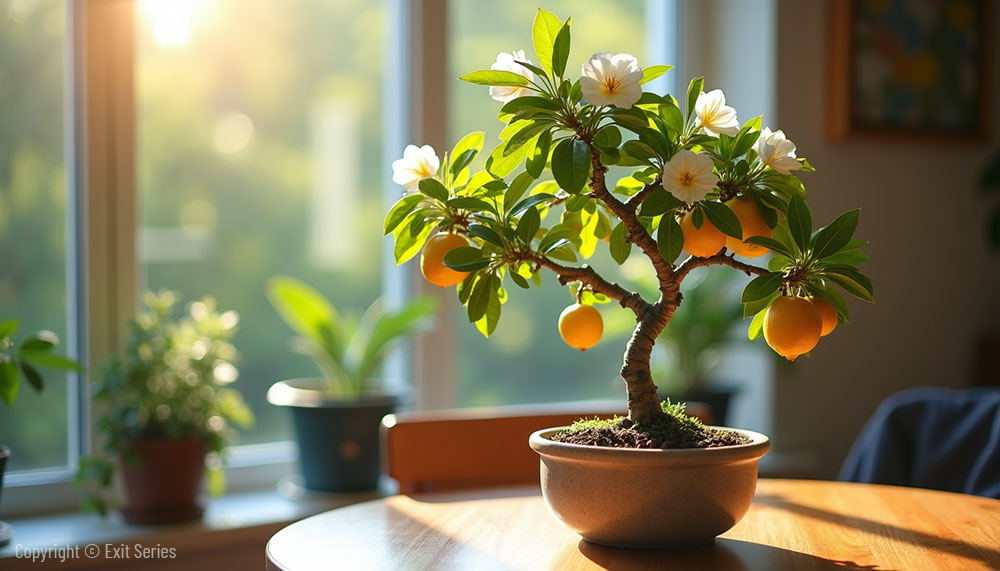
A bonsai lemon tree is a lemon plant—often a Meyer Lemon (Citrus × meyeri)—trained in miniature form through root pruning, branch shaping, and controlled potting. Unlike regular citrus trees, these bonsai versions are compact, decorative, and manageable indoors.
They produce real lemons, emit a refreshing citrus aroma, and can bloom several times a year under proper light and care.
Why Buy a Bonsai Lemon Tree for Sale?
Many people search for a bonsai lemon tree for sale because it offers more than just decoration — it’s a living blend of art and nature.
Before we list the benefits, it’s helpful to understand why this plant attracts so many buyers. These trees combine fragrance, fruit, and aesthetics in a small space, making them perfect for both homes and offices.
Here are the main reasons buyers love them:
- Beautiful Blooms & Citrus Aroma – Its small white flowers fill a room with a refreshing scent.
- Mini Lemons That Truly Grow – Mature trees can bear edible lemons.
- Compact Living Art – Fits easily on desks, patios, or windowsills.
- Therapeutic Hobby – Pruning and shaping the tree relieves stress.
- Unique Gift Idea – Perfect as a lasting present for plant lovers.
A bonsai lemon tree is both practical and emotionally rewarding — a living art piece you can nurture daily.
How to Choose the Right Bonsai Lemon Tree for Sale
Before clicking Buy Now, you should know what makes one bonsai better than another. Understanding these factors helps you select a healthy, high-quality tree that will thrive for years.
| Selection Factor | Why It Matters | What to Look For |
|---|---|---|
| Tree Age | Older trees have thicker trunks & stronger roots | Choose trees aged 3–7 years for good maturity |
| Trunk Shape | Indicates years of shaping & balance | Look for natural curves and strong base |
| Foliage Health | Shows vitality | Bright green leaves, no spots or yellowing |
| Pot & Soil Quality | Affects drainage & stability | Porous bonsai soil with good drainage |
| Seller Reputation | Ensures safe shipping | Check verified reviews & live delivery guarantees |
Checking these factors ensures you buy a bonsai lemon tree for sale that’s worth every penny.
Price Guide: How Much Does a Bonsai Lemon Tree Cost?
Pricing varies widely depending on tree size, maturity, and seller quality. Before you shop, it helps to understand typical price brackets.
| Price Range (USD) | Tree Type & Quality | What to Expect |
|---|---|---|
| $80 – $150 | Young, pre-trained bonsai | Basic structure, needs shaping |
| $150 – $300 | Mature, semi-developed bonsai | Ready for display, may bear fruit |
| $300 + | Fully trained, fruiting specimen | Exhibition-grade tree, advanced care needed |
Knowing the market price helps you compare listings wisely and avoid overpaying for low-quality stock.
Where to Buy a Bonsai Lemon Tree for Sale
After you understand quality and price, the next question is where to buy. Reputable sellers often specialize in live bonsai shipping and provide guarantees. Many also specify shipping restrictions for citrus species due to agricultural regulations.
Here are common trusted online sources (examples):
- Bonsai Boy of New York – Offers flowering lemon bonsai trees; ships with live-arrival warranty.
- Green Bonsai – Specializes in citrus bonsai, including Meyer lemon varieties.
- Etsy & eBay Sellers – Useful for finding unique, handmade bonsai containers and starter trees.
Always check customer reviews and ensure the seller includes “live plant guarantee” and clear return policies before buying.
Caring for Your Bonsai Lemon Tree After Purchase
Owning a bonsai lemon tree for sale is just the start — success depends on consistent care. Before outlining care routines, remember: lemon bonsai are living trees that require sunlight, moisture balance, and pruning.
Follow these key care areas:
1. Sunlight & Temperature
Place your tree in bright, indirect sunlight for at least 6–8 hours daily. Keep it between 15–30°C (59–86°F) — warmer during growth, cooler during dormancy.
2. Watering & Soil Moisture
Water thoroughly when the topsoil feels dry. Never let the soil stay soggy. Good drainage is crucial to prevent root rot.
3. Fertilizing
Feed every 2–3 weeks with a citrus-friendly fertilizer during spring and summer. Reduce feeding in autumn and stop during winter dormancy.
4. Pruning & Shaping
Prune regularly to maintain balance between canopy and root. Trim shoots after flowering to shape the bonsai while preserving next year’s buds.
5. Repotting
Every 2–3 years, repot your bonsai lemon tree to refresh soil and trim roots. Do this in early spring before active growth starts.
Proper care ensures that your bonsai lemon tree stays compact, healthy, and potentially fruiting year after year.
Common Mistakes When Buying or Caring for Bonsai Lemon Trees
Before concluding, it’s useful to highlight frequent errors so you can avoid them.
- Buying trees with poor drainage pots — leads to root diseases.
- Overwatering immediately after shipping — causes root shock.
- Placing in low-light rooms — limits photosynthesis and flowering.
- Ignoring pest control — citrus attracts aphids and scale insects.
- Over-pruning during bloom season — removes future fruit buds.
Avoiding these mistakes helps your lemon bonsai thrive beautifully.
Quick Comparison Table: Indoor vs Outdoor Lemon Bonsai
| Aspect | Indoor Bonsai | Outdoor Bonsai |
|---|---|---|
| Light | Needs strong grow light | Full natural sunlight |
| Temperature | More stable, limited growth | Natural dormancy cycle |
| Pest Risk | Lower indoors | Higher outdoors |
| Fruit Production | Moderate | Often stronger |
| Best For | Apartments or small spaces | Gardens and patios |
Choose based on your location and lifestyle — both can succeed with proper care.
Conclusion
Buying a bonsai lemon tree for sale means more than just acquiring a plant — it’s investing in a living piece of art that grows with you. By following this guide, you’ll know how to identify quality sellers, assess tree health, understand pricing, and care for your lemon bonsai confidently.
With the right start and attention, your bonsai lemon tree will fill your space with beauty, fragrance, and joy for years to come.