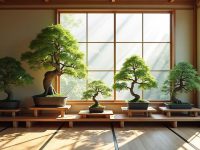
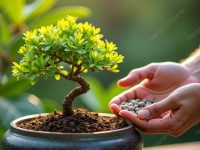
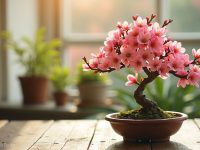
Exitseries.com – A house of bonsai is more than a simple hobby space — it’s a sanctuary of calm, focus, and artistic growth. This guide will help you understand what a bonsai house is, how to build one, and the right ways to care for your miniature trees so they thrive beautifully.
What Is a House of Bonsai?
Before diving into the setup, it’s important to understand the meaning behind this phrase. A house of bonsai refers to:
- A dedicated space (indoor or outdoor) where bonsai trees are grown and displayed.
- A philosophy of living that connects patience, nature, and mindfulness.
In essence, your house of bonsai is both a physical environment and a lifestyle that celebrates slow, thoughtful growth.
Why Build a Bonsai House?
Many bonsai enthusiasts eventually create a dedicated space for their trees. The reasons go beyond practicality — they’re emotional, aesthetic, and even spiritual. Here’s why building a bonsai house can be so rewarding:
- Focus & Calm – A peaceful environment enhances mindfulness and reduces stress.
- Artistic Display – Bonsai trees look more beautiful when arranged in an intentional layout.
- Environmental Control – Having a single location makes it easier to manage light, humidity, and airflow.
- Personal Growth – Bonsai care trains patience, focus, and appreciation for subtle progress.
- Learning & Sharing – A bonsai space lets you host friends or share your hobby proudly.
Each of these reasons makes your house of bonsai more than just a hobby corner — it becomes a personal retreat.
Essential Setup Components
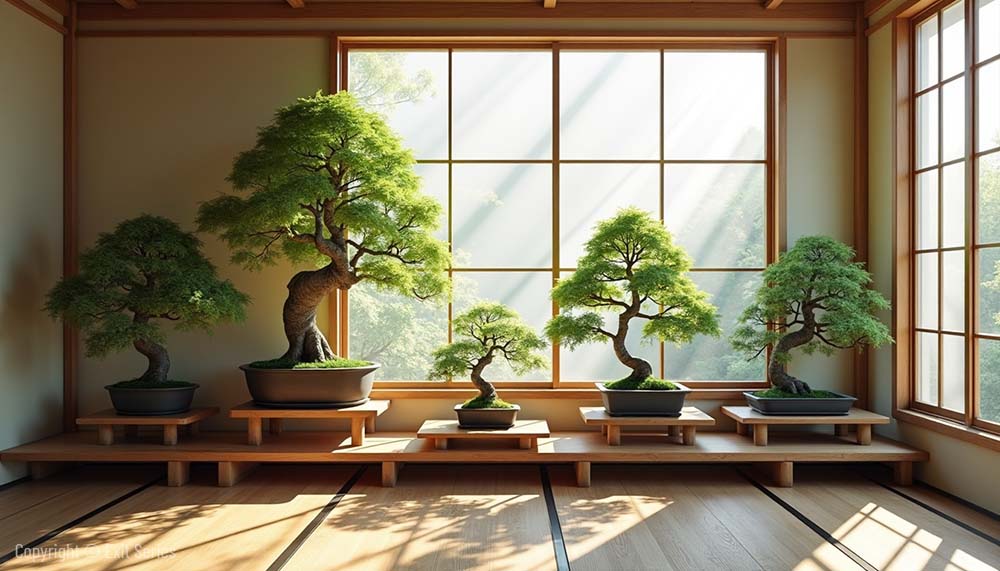
Before you bring in your trees, you’ll need to plan your bonsai house layout carefully. A good setup keeps everything functional, clean, and aesthetically pleasing. Use the table below as your guide:
| Element | Function | Tips for Setup |
|---|---|---|
| Lighting | Supports healthy growth | Use natural light or LED grow lights |
| Air Circulation | Prevents fungus and pests | Add a small fan for airflow |
| Soil & Drainage | Keeps roots healthy | Mix akadama, pumice, and lava rock |
| Workbench | For repotting, pruning, and styling | Choose a sturdy, waist-height surface |
| Display Area | Highlights the beauty of bonsai | Keep background neutral, vary stand heights |
| Tools Corner | Stores bonsai tools neatly | Keep cutters, shears, and brushes organized |
These key elements will make your bonsai room not just practical, but enjoyable to use.
Core Bonsai Care Steps
Once your bonsai house is ready, it’s time to focus on daily and seasonal care. Below are the five most important practices every bonsai grower should follow.
1. Watering Routine
Watering is the most crucial part of bonsai maintenance. Over-watering or under-watering can damage roots and weaken your tree. Always check soil moisture daily, water when the top layer feels dry, and ensure your pots have good drainage.
2. Soil Renewal
Healthy soil means healthy bonsai. Repot your trees every 1–3 years, depending on their growth rate. Use a well-draining soil mix and prune roots gently before replanting. This keeps your bonsai strong and stable.
3. Pruning & Wiring
Styling defines the personality of your bonsai. Use pruning shears to shape branches and wire them carefully to guide growth. Don’t rush — shaping takes time and should be done only when the tree is healthy.
4. Light & Position
Light placement affects leaf density, color, and branch balance. Most bonsai species need at least 5–6 hours of sunlight or grow light each day. Rotate your trees regularly so every side gets even exposure.
5. Seasonal Adjustments
Your house of bonsai should adapt to changes in climate. During summer, watch for heat and increase ventilation. In winter, reduce watering and protect sensitive species from cold drafts.
Read Also : Optimal Lighting to Bonsai Trees: Essential Tips & Setup Guide
Mistakes to Avoid
Even experienced growers make errors from time to time. Understanding common mistakes early helps you avoid them and keep your bonsai collection healthy.
- Insufficient Light: Keeping trees in dark corners leads to weak growth.
- Over-watering: Roots rot easily if soil stays soggy too long.
- Premature Styling: Wiring or pruning weak trees can cause damage.
- Ignoring Pests: Regular inspections prevent leaf spots and insect issues.
- Static Placement: Rotate trees to maintain balanced branch development.
By avoiding these pitfalls, your bonsai house will remain vibrant and full of life.
Recommended Bonsai Species
Not all species thrive indoors, so choosing the right ones will make care much easier. Below are several trees well-suited for a house of bonsai environment:
| Species | Best Style | Why It Works |
|---|---|---|
| Ficus microcarpa | Informal upright | Strong, low-maintenance indoor bonsai |
| Chinese Elm | Semi-cascade | Fast-growing, perfect for shaping practice |
| Juniper procumbens | Cascade | Classic, elegant, and highly resilient |
| Azalea | Formal upright | Produces beautiful seasonal flowers |
| Jade Plant | Literati style | Easy care and great for beginners |
These options combine beauty and durability, perfect for both novices and experts.
Display and Design Tips
Once your bonsai are thriving, presentation becomes part of the art. A thoughtfully arranged display enhances the atmosphere of your bonsai space.
- Eye-Level Placement: Position bonsai at eye level for better visual appreciation.
- Balanced Lighting: Use soft ambient light to highlight branch lines and textures.
- Minimal Background: Keep walls simple so the trees remain the focal point.
- Varied Heights: Arrange trees of different sizes to create depth and visual rhythm.
- Informational Labels: Small name tags add a professional touch and help guests learn.
A well-designed bonsai house feels calm, elegant, and alive — like a miniature gallery of living art.
Conclusion
Building a house of bonsai blends horticulture, design, and personal reflection. With thoughtful setup, consistent care, and creative styling, your bonsai space becomes a living sanctuary that grows with you. Start small, nurture each tree with patience, and watch your miniature forest flourish into something truly meaningful.