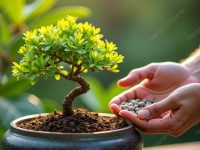
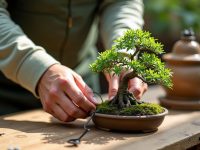
Exitseries.com – Growing a bonsai peach tree combines horticulture and art in perfect harmony. This miniature version of the classic peach tree can produce beautiful blossoms — and sometimes even real fruit. In this guide, you’ll discover the step-by-step methods, tools, and tips for raising a healthy, thriving bonsai peach tree.
What Is a Bonsai Peach Tree?
Before starting your project, it’s important to understand what makes a bonsai peach tree unique.
A bonsai peach tree is a regular peach tree (Prunus persica) cultivated in miniature through pruning, wiring, and container growing. It retains the beauty of full-sized blossoms and fruits but is designed to fit gracefully into small spaces, serving as a living work of art.
Why Grow a Bonsai Peach Tree?
People choose bonsai peach trees for many different reasons. Each reason contributes to why this plant is loved by bonsai enthusiasts around the world.
Here are the most common motivations for growing one:
- Spring Blossoms – The soft pink flowers add elegance to any bonsai collection.
- Miniature Fruit – A rare feature among bonsai species, it can produce tiny peaches under the right care.
- Artistic Challenge – Training a fruit-bearing bonsai develops patience and skill.
- Unique Display – Its vibrant color and texture make it stand out from other bonsai.
- Therapeutic Experience – Caring for a bonsai peach tree encourages mindfulness and calm.
This combination of challenge and beauty makes the bonsai peach tree one of the most rewarding plants to cultivate.
Read Also : House of Bonsai: Complete Care and Style Guide 2025
Key Requirements for a Bonsai Peach Tree
Before you begin shaping or pruning, it’s essential to understand what your tree needs to survive and thrive. The following table summarizes the key environmental and care requirements every grower should know.
| Requirement | Why It Matters | Practical Tips |
|---|---|---|
| Light | Enables photosynthesis, blossoms, and fruit | Provide 6–8 hours of full sun daily. |
| Soil & Drainage | Prevents root rot | Use a bonsai soil mix with akadama and pumice. |
| Temperature & Chill | Maintains dormancy and flowering rhythm | Choose low-chill cultivars for warm climates. |
| Pruning & Training | Controls form and encourages air circulation | Prune after flowering to shape branches. |
| Pest & Disease Control | Keeps growth strong and leaves healthy | Inspect regularly for aphids, leaf curl, or borers. |
Meeting these requirements builds the foundation for a thriving bonsai peach tree.
Step-by-Step Guide to Growing a Bonsai Peach Tree
Before jumping into the steps, it’s worth knowing that growing a bonsai is a gradual process. Patience, timing, and consistency are the keys to success. Follow these stages carefully for best results.
1. Selecting the Right Tree
Your success starts with choosing the correct specimen.
- Select a healthy, vigorous young tree with firm roots and bright leaves.
- Dwarf or semi-dwarf peach varieties are ideal for bonsai shaping.
- Avoid trees with visible pest damage or fungal spots.
A strong foundation ensures your mini peach bonsai adapts well to training.
2. Potting and Placement
Potting affects both growth and appearance, so prepare it carefully.
- Use a shallow container with proper drainage holes.
- Apply well-draining bonsai soil to avoid excess moisture.
- Place your peach tree bonsai in bright, indirect sunlight.
- Water thoroughly after potting to stabilize the soil.
The right potting method encourages steady root development and overall health.
3. Watering and Feeding
Water and nutrition are the lifelines of your bonsai. Overwatering or neglect can quickly ruin its balance, so stay consistent.
- Water when the top layer of soil feels dry, but don’t let it fully dry out.
- Fertilize every two weeks during the growing season with a balanced bonsai formula.
- Reduce fertilization in late autumn to prepare for dormancy.
Proper watering and feeding help your bonsai fruit tree develop strong roots and healthy foliage.
4. Pruning, Wiring, and Styling
This step shapes your bonsai’s character and defines its style. Before you start cutting, observe how branches grow naturally.
- Prune lightly after flowering to remove weak or overcrowded branches.
- Use soft aluminum wire to gently guide branch direction.
- Maintain balance between trunk, canopy, and roots for a realistic appearance.
Patience in shaping transforms your miniature peach tree into a stunning piece of art.
5. Flowering and Fruiting Care
Encouraging your bonsai to bloom and fruit takes precise timing and care.
- During blooming season, provide ample sunlight and stable temperatures.
- Thin the fruit if too many form, as this reduces strain on small branches.
- Monitor for pests like aphids that target new buds or fruits.
- Harvest only when miniature peaches show deep color and gentle softness.
By balancing care and restraint, your bonsai peach tree will reward you with blossoms and delicate fruit.
6. Seasonal Care and Dormancy
Every bonsai experiences seasonal rhythms. Understanding these will help your tree remain strong year-round.
- In winter, allow rest by reducing water and protecting from frost.
- In spring, prune lightly before new buds appear.
- In summer, provide partial shade during intense heat.
- In autumn, prepare for leaf drop and inspect root health.
Adjusting care each season ensures a long, healthy life for your dwarf peach bonsai.
Common Mistakes to Avoid
Many beginners lose bonsai trees because of simple but avoidable errors. Before you start, review these common mistakes so you can prevent them early.
- Placing the bonsai in too little light, leading to weak growth.
- Overwatering or using dense soil that causes root rot.
- Cutting too heavily during the flowering stage.
- Over-fertilizing when fruit is developing.
- Neglecting early pest symptoms or fungal infections.
Avoiding these mistakes keeps your bonsai peach tree healthy and resilient.
Best Varieties for Bonsai Peach Tree Projects
Not all peach varieties are suited for bonsai growth. Understanding the traits of each helps you pick the right one for your conditions.
| Trait | Benefit | Recommended Varieties |
|---|---|---|
| Low Chill | Blooms even in warmer regions | ‘Bonanza’, ‘Florida Prince’ |
| Compact Growth | Easier to shape and prune | Dwarf or semi-dwarf types |
| Disease Resistance | Reduces pest maintenance | Hybrid cultivars with strong resistance |
| Decorative Flowers | Enhances visual appeal | Pink and double-flowering types |
Choosing the correct variety makes your bonsai journey smoother and more rewarding.
Read Also : Find the Best Bonsai Lemon Tree for Sale Online 2025
Conclusion
Caring for a bonsai peach tree takes time, creativity, and commitment. When you balance light, water, and pruning properly, this living artwork flourishes and may even bear tiny fruits. Whether you grow it for beauty, meditation, or artistry, your bonsai peach tree will be a symbol of patience and natural harmony.